There must be about as many variations as there are the folks who make their own gumbo. I made a gumbo on Sunday afternoon and as usual it was a little different this time around. Some of the various gumbos out there include Filé Gumbo, Okra Gumbo, Seafood Gumbo, Gumbo Z’Herbes, Chicken Gumbo, Duck Gumbo, and on an on.
This time around I made a chicken, sausage, shrimp, filé and okra gumbo, and it has a roux in it too! At home I’ll make at least 2 to 3 gumbos a year, mostly at request of the family and this time around it was for Benjamin’s birthday request. He wanted a seafood gumbo, but I could not get the blue gumbo crabs so I opted for the chicken variety, it is also not as expensive as the full blown seafood gumbo with crab, shrimp and oysters.
If you can get a hold of gumbo crabs they really do add a spectacular flavor to a seafood gumbo. Gumbo crabs are the ones that are too small to eat boiled and are usually sold frozen in bags of 6 or a dozen, and typically just need to be rinsed and cleaned a bit. I add them to my seafood gumbo in the middle of the preparation and there is nothing like it to adding that extra background flavor. When serving a seafood gumbo to guests I like to include one of the crab halves in every bowl, eating that gumbo soaked crabmeat is a real treat.
The gumbo recipe here is the one I made on Sunday, and it also has some Tasso in it, which is a highly seasoned pork shoulder meat. It is highly seasoned with a Cajun spice rub and then smoked with hickory, oak, or pecan wood in a cool smoker until dried. You can order it from various Cajun meat purveyors or it can be omitted, however, it imparts extra smoky and spicy flavoring to any gumbo or Cajun dish.
Chicken Sausage Gumbo
Yield: 3 gallons
Ingredients
½lbButter
½lbFlour
3cupsOnions, large dice
3cupsCelery, large dice
3cupsGreen bell pepper, large dice
¼cupGarlic, minced
1eachWhole chicken, 4 pound average
To coverWater, cool with 2 Tbsp Chicken base OR
Chicken stock, cool
2lbsAndouille sausage, sliced 1/4” thick
½lbTasso, small diced
2cansStewed tomatoes, 14 ounces each
2lbsOkra, sliced
1TbspItalian Seasoning
1eachBay Leaf
1TbspWorcestershire sauce
1TbspHot sauce
2TbspFilé
2lbsShrimp, 21-30 count, peeled and deviened (P&D)
1 bunch Green onions, chopped
To tasteSalt and white pepper
Preparation
First you make a roux. In a large cast iron skillet or sauté pan melt the butter then whisk in the flour until dissolved. Then over a medium heat stir the mixture with a wooden spoon until the very dark stage, it will start to take on a nutty smell like toasted almonds. Remove from the heat and continue to stir for a few minutes and allow to cool.
Clean the chicken and remove any excess fat and rinse well in cool tap water. Place the whole chicken into a large stock pot and cover up to an inch above it with the chicken stock. OR cover with cool tap water and add 2 tablespoons of chicken base. Place the stock pot on the stove over high heat and bring to a boil. Reduce the heat and simmer for about an hour, or until the chicken starts falling off the bone. Once the chicken meat is cooked, remove it from the stock and place into a large bowl to cool.
While the chicken is simmering prepare the onions, celery, bell peppers (Trinity) and garlic and have them ready. Open the two cans of stewed tomatoes.
After the chicken is removed from the stock turn up the heat to high and add the Andouille sausage and the Tasso to the stock pot and stir well. Then add the Trinity and the garlic and stir well. Then add the two cans of stewed tomatoes, Italian seasoning, bay leaf, Worcestershire sauce, the roux which should be at room temperature, and hot sauce and stir well. Bring to a boil and then reduce heat to a simmer.
Once the chicken is cooled remove the skin and discard it, then pull the chicken meat from the bones and cut larger pieces of meat into bite sized pieces and reserve the meat until later.
In the stock pot add the okra, stir well and bring back to a simmer until the okra is cooked.
In a medium mixing bowl add the filé and about a ½ cup cool tap water. Then whisk the file into a slurry until all the dry powder is dissolved. Fold in the slurry into the gumbo. Simmer for a few more minutes until well incorporated into the gumbo.
Gently fold in the reserved chicken meat the shrimp and chopped green onions into the gumbo.
Allow to simmer until the shrimp are pink and heated through.
Season to taste with salt and pepper.
Serve with fresh cooked white or brown rice and some crusty French bread. And don’t forget to put the hot sauce on the dinner table too!
June 27th, 2008 · Comments Off on Blackened Catfish
This is a variation on the Cajun favorite made popular by Chef Paul Prudhomme back in the early 1980’s. This version is done on the outside griddle atop mesquite coals. Chef Paul typically used red fish, but here I use catfish because it is less expensive and easier to find in the grocery. Of course you can blacken just about anything including your favorite poultry such as chicken, or even cuts of beef such as a rib eye steak. The real trick with doing a good blackening is to have a very hot cast iron skillet or griddle. You should also know that blackening produces a whole lot of smoke, so doing it indoors is sure to set off the smoke alarm, don’t ask me how we know! Trust us, there have been too many times where either Monique, Ben or I were waving a big towel, pot handle or the nearest object to blow air on the detector ASAP.
Preparation:
Prepare your grill with about 5 lbs. of charcoal and get them really hot, the coals should be white hot. Place a cast iron griddle flat top or skillet over the coals and allow it to get very hot, about 20 minutes. In the mean time coat the catfish filet’s with the olive oil then sprinkle the Cajun spice and garlic salt on each side of the catfish. Allow to sit for 15 to 20 minutes while the coals and griddle are getting hot.
Place the catfish with the rounded side down first onto the griddle and allow to cook until the sides start to turn white, about 6-8 minutes, then flip them with a metal spatula and cook another 6-8 minutes until flaky and cooked through. Remove to a serving platter, and serve with rice pilaf and a fresh vegetable.
Now, if you are looking for some handcrafted small batch Cajun spice mix, I know the place to get it! I am now selling my special blend of Cajun Spice right here on Cajun Chef Ryan. Just click the link below to read more about my new spice blends.
On our recent trip to New Orleans I made a concerted attempt at gathering family recipe favorites from my mother and mother-in-law. One of the recipes that caught my eye was a beef stew concoction that originated from the files of my Grandmother Marjorie Christoffel who was originally from Texas, but lived in Pineville, Louisiana until her death, and she was also a really good cook in her day. My mom said it was a very good recipe and easy to make too. It looked easy from the title on the index card….. No Peep Stew
So I Googled “No Peep Stew” and it seems there are a few variations on this recipe, and I did find one that matched the exact ingredients, amounts and order of preparation exactly. And the author could not verify the origin of it either. I wonder where this recipe originated, but it seems similar to one of those you would find on the back of a can of soup or soup mix, considering that two of the ingredients are canned cream of mushroom soup and dry onion soup mix.
Beef bottom round was on sale at the local grocery for $1.99/lb. so I bought a 3 lb chunk and decided it was time to try out this mysterious recipe. Let me tell you, about an hour after it was in the oven the house was permeated with a wonderful fragrance that brought back memories from days of yore. Yup, this stuff is that good! Funny how smells are associated with memory, and that is a subject for another post! The wonderful aroma filled the house with that loving made from scratch meal smell that only my mother could do when I was boy growing up. I used to tell my parents at the dinner table that we should open up a restaurant because their food was always better than any other place to eat. My mother’s pat answer was “you can open up one, that’s hard work and I already have a full time job….no thanks!”
So here it is, the memory lane recipe that must be 40+ years old, and still proven to please even today! I also include a variation that I plan to attempt the next time around.
No-Peep Stew
Ingredients
2lbsBoneless beef stew meat
1pkgOnion soup mix
1canCream of mushroom soup
½cupRed wine
1canMushroom stems and pieces (4 oz)
To tastePepper
¼cupWater
Procedure
Place meat in bottom of roasting pan or casserole and pour all other ingredients on top of meat, then add ¼ cup water.
Cover and cook in 325° F oven for three hours.
Do not peep while cooking.
Meat will be very tender and you will have a good, rich brown gravy for rice, etc.
Serves four to five.
Variation on the theme; the next time I make this recipe I will be adding the following ingredients as in step 1 following the same procedures as listed above.
June 18th, 2008 · Comments Off on Oysters ~ Gulf Coast Variety
My love of oysters started at a very young age, most likely when I was around 10 or 11 and even my son Ben started liking them around the same time in his life too. In fact, just a few months before Katrina hit he fell in love with them, just as I had done as a young lad. There is nothing in the world like fresh Gulf oysters harvested from the salty Louisiana coastal waters.
Eating them on the half shell in raw form is one of the best ways to enjoy the salty delicacy. A really good restaurant will provide you with the set ups to make your own cocktail sauce and this includes a small ramekin, fresh large lemon wedge, ketchup, prepared horseradish, hot sauce and some Worcestershire sauce too. Of course the cocktail fork is the only tool you need to eat them, and make sure you have one of those too, oh, and some also like to have plenty of saltine crackers on hand to drape their cocktail sauce coated oyster over just before eating.
One of my favorite places in New Orleans that serves Oysters on the Half Shell fresh and Fried Oysters is Casamentos. They are known for having some of the best oysters in town and even own some of the oyster beds just off the Louisiana coastal waters. Be sure to bring cash as they do not accept credit cards, and they are usually closed in the hot summer months too, continuing a tradition before modern refrigeration that you only eat oysters in the months that have an “R” in them.
About a week ago I was able to find some Gulf coast oysters in the shell at Whole Foods Market by the each for .41 cents so I had to by some, I could not pass them up! Ended up with 2 dozen for just less than $10.00, this is a great deal since most restaurants will charge anywhere from $6.95 to $14.95 for a dozen shucked on the 1/2 shell. And boy were they good! It takes more time to shuck them than eat them, and I tell ya, a dozen of them goes quick once the cocktail sauce is made up fresh. Many years ago in the early 1990’s I can remember throwing a crawfish boil and I also bought a sack of oysters too and shucked them for the party. A sack typically is a gross or twelve dozen, so plenty of them to go around. Today, if given the opportunity, I could probably down three or four dozen of the little tasty gems.
So what are some other ways to enjoy the tasty bivalve? Have you ever eaten them grilled or charbroiled? You talk about some good eating! One of my favorite places for charbroiled oysters is Drago’s Seafood Restaurant located in Metairie, LA, which is about a 25 minute drive from downtown New Orleans. And they also now have a second location in the Hilton New Orleans Riverside hotel which is in downtown New Orleans. They call themselves “Home of the Original Charbroiled Oyster“, and they are amazingly wonderful. The garlic and herb butter is drizzled over the raw half-shells on the grill and then a sprinkling of fresh grated Parmesan cheese is topped as they cook in the shell over the hot coals. I have yet to attempt duplicating them at home, but the garlic herb butter seems like your basic compound butter, I will have to try them soon if I can shuck them without eating them raw first!
Fried Oysters are always a treat either by themselves or with French fries and then the Fried Oyster Po-Boy is another favorite. Fresh crusty French bread smothered in mayonnaise with shredded iceberg lettuce, fresh sliced tomatoes, thin sliced pickles, and some Crystal hot sauce on top can’t be beat! Most local corner grocery shops in New Orleans with a deli will make an Oyster Po-Boy, but one of my favorites used to be the Streetcar Po-Boy shop on Carrollton Avenue, however, they closed up shop years ago for some unknown reason. The Oyster Loaf at Cassementos is good, but not a traditional Po-Boy, it is prepared on thick sliced toasted white bread, and is a good sandwich on it’s own, but not a Po-Boy!
One of my all time favorite soups is Oyster Artichoke Soup, which is another classic New Orleans dish! Some restaurants in New Orleans still feature this traditional soup as a soup du jour or on specials menus. Some other oyster preparations that have a fondness in my heart include Oysters Rockefeller, the appetizer made famous by Antoine Alciatore at his namesake Antoine’s Restaurant in New Orleans around 1899. Oysters Bayou Teche, as prepared by Chef Chris Canan at the Columns Hotel in the early 1980’s, and Oysters Casino, the variation on a theme similar to Clams Casino.


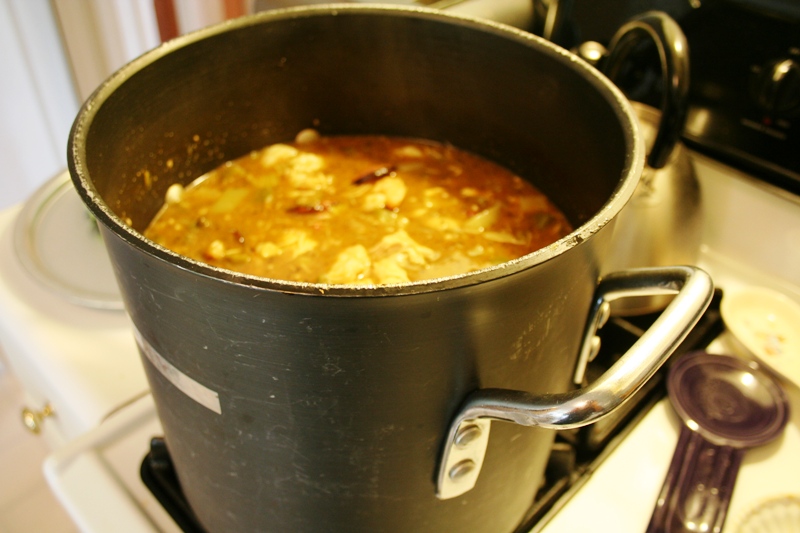 gumbo on Sunday afternoon and as usual it was a little different this time around. Some of the various gumbos out there include Filé Gumbo, Okra Gumbo, Seafood Gumbo, Gumbo Z’Herbes, Chicken Gumbo, Duck Gumbo, and on an on.
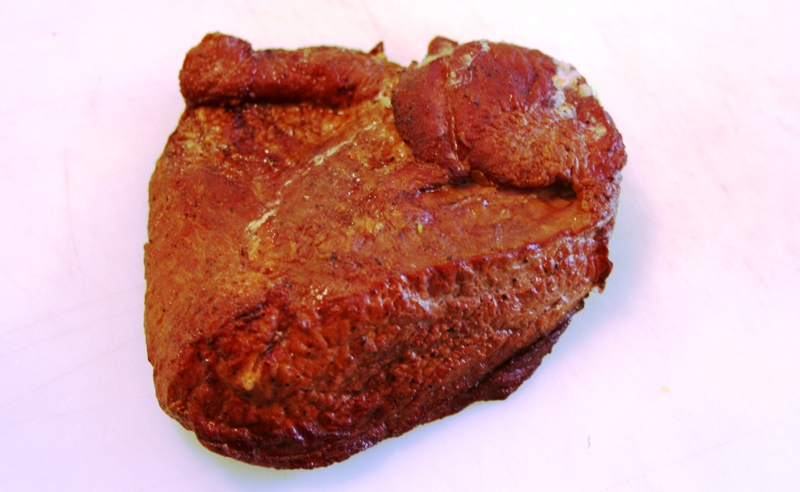 The gumbo recipe here is the one I made on Sunday, and it also has some Tasso in it, which is a highly seasoned pork shoulder meat. It is highly seasoned with a Cajun spice rub and then smoked with hickory, oak, or pecan wood in a cool smoker until dried. You can order it from various Cajun meat purveyors or it can be omitted, however, it imparts extra smoky and spicy flavoring to any gumbo or Cajun dish.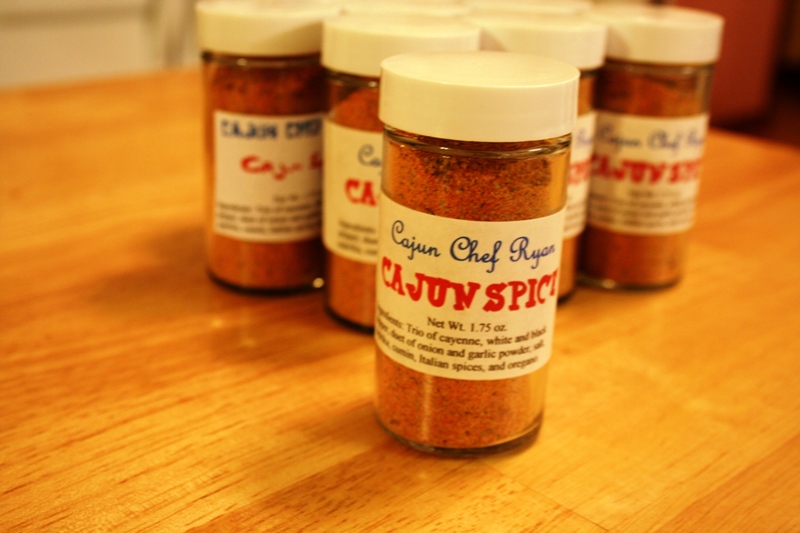
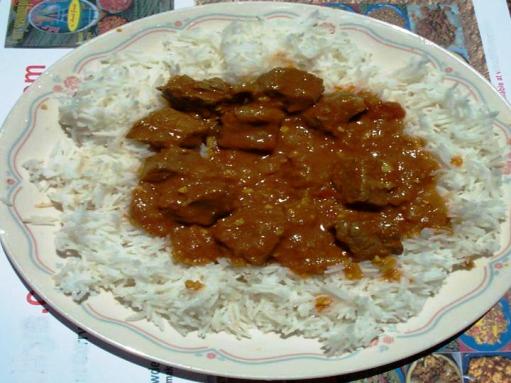 favorites from my mother and mother-in-law. One of the recipes that caught my eye was a beef stew concoction that originated from the files of my Grandmother Marjorie Christoffel who was originally from Texas, but lived in Pineville, Louisiana until her death, and she was also a really good cook in her day. My mom said it was a very good recipe and easy to make too. It looked easy from the title on the index card….. No Peep Stew
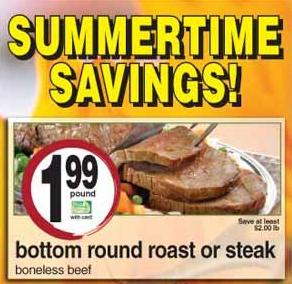 Beef bottom round was on sale at the local grocery for $1.99/lb. so I bought a 3 lb chunk and decided it was time to try out this mysterious recipe. Let me tell you, about an hour after it was in the oven the house was permeated with a wonderful fragrance that brought back memories from days of yore. Yup, this stuff is that good! Funny how smells are associated with memory, and that is a subject for another post! The wonderful aroma filled the house with that loving made from scratch meal smell that only my mother could do when I was boy growing up. I used to tell my parents at the dinner table that we should open up a restaurant because their food was always better than any other place to eat. My mother’s pat answer was “you can open up one, that’s hard work and I already have a full time job….no thanks!”
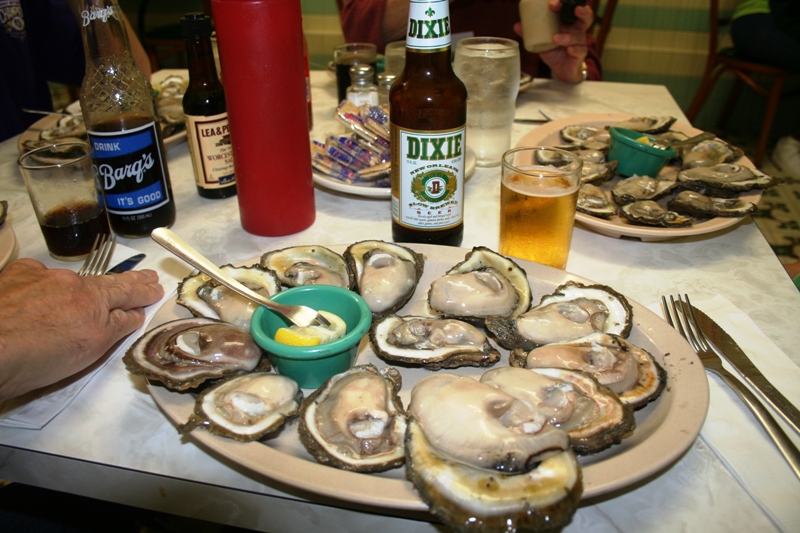 My love of oysters started at a very young age, most likely when I was around 10 or 11 and even my son Ben started liking them around the same time in his life too. In fact, just a few months before Katrina hit he fell in love with them, just as I had done as a young lad. There is nothing in the world like fresh Gulf oysters harvested from the salty Louisiana coastal waters.
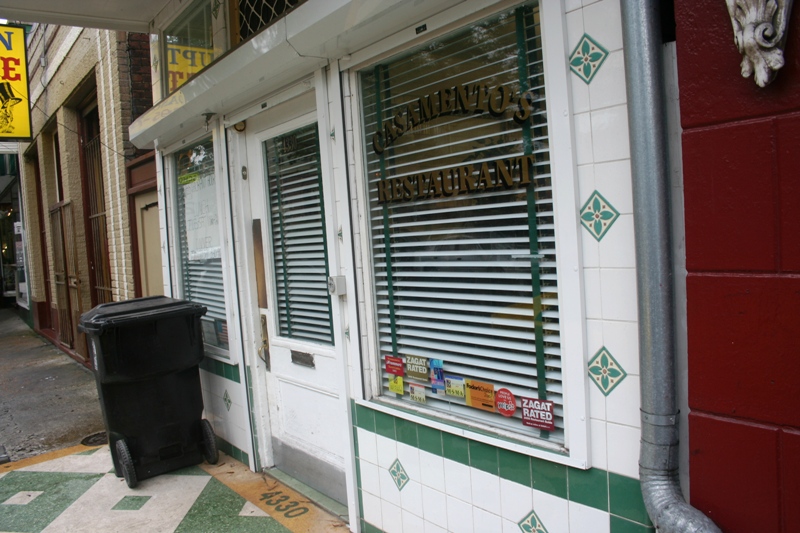 One of my favorite places in New Orleans that serves Oysters on the Half Shell fresh and Fried Oysters is