June 29th, 2023 · Comments Off on Slow-Roasted Cherry Tomatoes with Herbed Crumbs: Bursting with Flavor and History
In this recipe blog post, we delve into the delightful world of slow-roasted cherry (or grape) tomatoes with herbed crumbs. This simple yet irresistible dish brings together the vibrant flavors of juicy tomatoes, aromatic herbs, and crispy breadcrumbs. But there’s more to this dish than meets the eye. Join us on a journey as we explore the history, culture, and background behind this delectable culinary creation.
Slow roasted tomatoes with herbed crumbs
Slow-roasting tomatoes is a technique that dates back centuries. Originally used as a method to preserve tomatoes, slow-roasting intensifies their natural sweetness and enhances their flavors. The process involves cooking tomatoes at a low temperature for an extended period, allowing them to caramelize and develop a rich, concentrated taste.
Cherry tomatoes, small and round in shape, are a popular variety of tomatoes known for their intense sweetness and bright colors. These bite-sized beauties originated in South America and were introduced to Europe in the 16th century. Cherry tomatoes are now cultivated worldwide and cherished for their versatility in various culinary preparations.
Grape tomatoes, a smaller and oblong variety of tomato, have gained popularity in recent years for their sweet flavor and convenient bite-sized shape. Let’s delve into the history of grape tomatoes and explore how they have become a beloved ingredient in culinary creations.
Grape tomatoes are a relatively new addition to the tomato family. They were developed through selective breeding and hybridization techniques to create a tomato variety that possessed specific characteristics. The first commercial variety of grape tomatoes, known as the “Santa F1,” was introduced in the late 1990s by a Dutch seed company named De Ruiter Seeds.
Tomatoes hold a special place in Mediterranean cuisine, where they are widely used in both traditional and modern dishes. The slow-roasting technique, applied to cherry tomatoes, has become particularly popular in Mediterranean countries like Italy, Greece, and Spain. These regions have long celebrated the flavors of sun-ripened tomatoes, and slow-roasting brings out their inherent qualities, adding depth and complexity to the dish.
The addition of herbed crumbs to slow-roasted cherry tomatoes brings a delightful textural contrast and a burst of aromatic flavors. The crumbs, typically made from day-old bread, are combined with herbs such as basil, thyme, or parsley, along with olive oil and seasonings. When baked or toasted, they turn into a golden, crispy topping that complements the tender tomatoes perfectly.
Slow roasted tomatoes with herbed crumbs
Recipe Slow-Roasted Cherry Tomatoes with Herbed Crumbs: Now, let’s dive into the recipe for slow-roasted cherry tomatoes with herbed crumbs.
1 Point – Total Time: 45 min – Prep Time: 10 min – Cook Time: 35 min – Serves: 12
Ingredients
6 cups Grape tomatoes or Cherry tomatoes
2 Tbsp extra-virgin Olive oil, divided
1/2 tsp Table salt
1/2 tsp freshly ground Black pepper, divided
2/3 cup Panko breadcrumbs
1 tablespoon Fresh oregano, chopped
2 tsp Fresh thyme, chopped
1 tsp minced garlic
Procedure Steps
Preheat oven to 400°F.
In a 9-inch glass pie plate, combine tomatoes, 1/2 teaspoon oil, salt and 1/8 teaspoon pepper; toss to coat and then spread into a single layer.
In a small bowl, combine breadcrumbs, oregano, thyme, garlic, remaining 2 1/2 teaspoons oil and remaining 1/8 teaspoon pepper; rub oil into breadcrumbs with your fingers. Sprinkle breadcrumb mixture evenly over tomatoes. Bake until breadcrumbs are golden and tomato juices are bubbling around edges, about 30 to 35 minutes. Yields about 8 crumb-topped tomatoes per serving.
Notes: Use orange, yellow and red tomatoes for a beautiful presentation.
Comments Off on Slow-Roasted Cherry Tomatoes with Herbed Crumbs: Bursting with Flavor and HistoryTags:Weight Watchers
June 28th, 2023 · Comments Off on A Taste of Tradition: Corn-and-Poblano Pudding
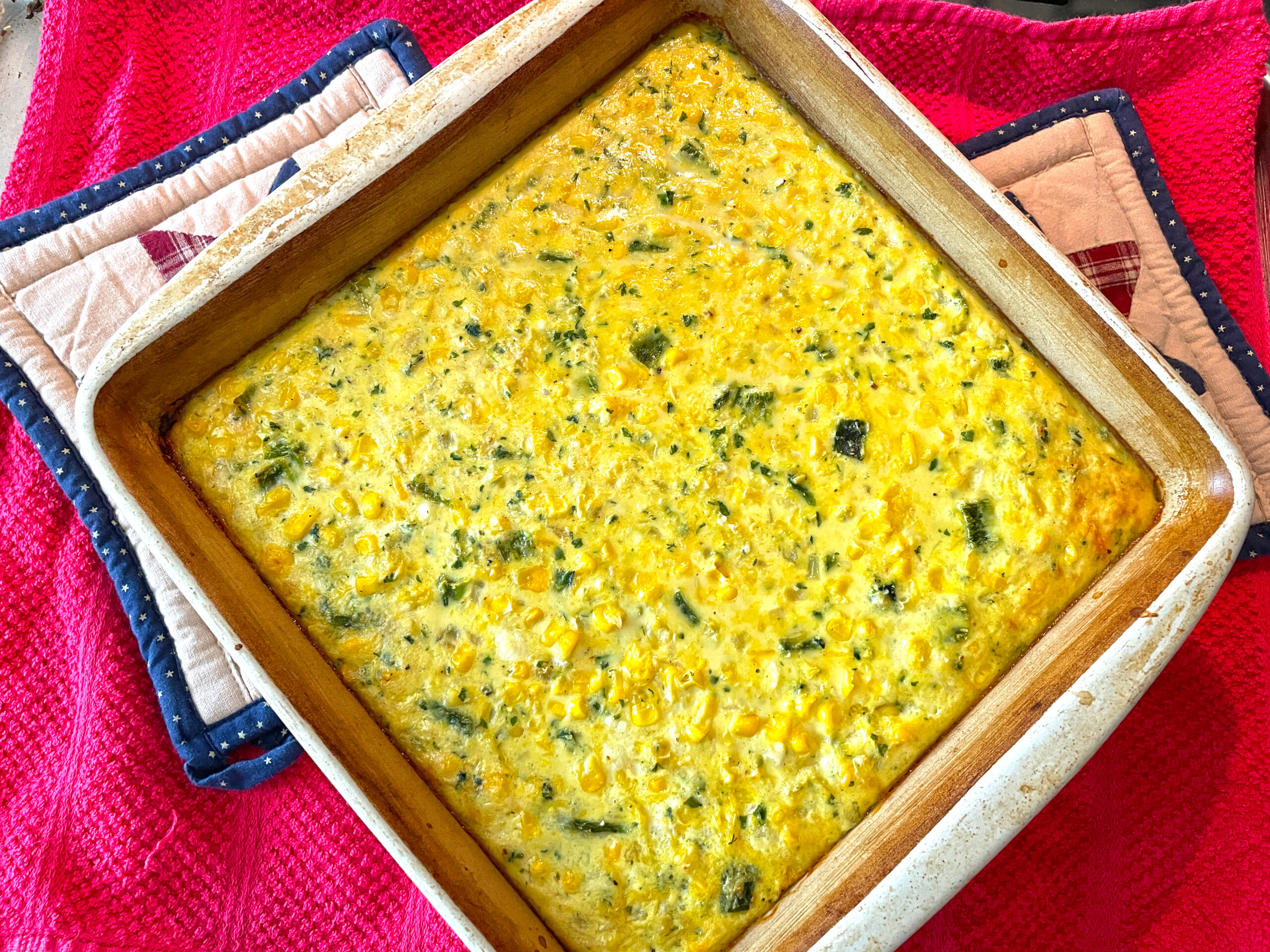
Welcome to our recipe blog post featuring a delicious and comforting dish rooted in the rich history and cultural traditions of Mexico. Corn-and-poblano pudding is a delectable combination of sweet corn, smoky roasted poblanos, and creamy goodness. In this article, we’ll delve into the fascinating background of this dish, explore its cultural significance, and provide you with a step-by-step recipe to recreate this authentic delicacy at home.
Corn and poblano pudding
History and Cultural Significance: Corn has long been a staple in Mexican cuisine, dating back thousands of years to the ancient Mayan and Aztec civilizations. Known as “maize,” corn holds a sacred place in Mexican culture and is deeply intertwined with religious rituals and daily life. It was not only a dietary staple but also a symbol of fertility and sustenance.
Poblanos, on the other hand, are a variety of chili peppers named after the city of Puebla in central Mexico. Poblanos are revered for their unique smoky flavor and mild heat. They are a key ingredient in many traditional Mexican dishes and play a significant role in the country’s culinary heritage.
Combining these two ingredients in a comforting pudding reflects the essence of Mexican cuisine—blending traditional flavors to create a harmonious and satisfying dish.
3 Points – Total Time: 1 hr 25 min – Prep Time: 20 min – Cook Time: 55 min – Serves: 8
Ingredients
2 medium Poblano chili
4 sprays Cooking spray
1 medium, finely chopped Uncooked onions
4 cloves, minced Garlic
4 cups, fresh (from about 5 ears) corn kernels
1½ cups 2% reduced fat milk
2 large Eggs
4 oz, shredded (1 cup) Reduced fat cheddar cheese
1 oz, or goat cheese Crumbled queso fresco cheese
3 Tbsp, chopped fresh Cilantro
1 tsp Table salt
¼ tsp Black pepper
Procedure Steps
Preheat broiler. Line bottom of broiler pan with foil. Place poblanos in prepared pan. Broil 5 inches from heat, turning occasionally, until skin blisters, about 10 minutes. OR, if you have a gas stove top, place the peppers over an open flame and char the peppers, turning them every minute or so for even charing and blistering. Wrap poblanos in foil and let steam about 10 minutes. When cool enough to handle, peel poblanos, remove seeds and stem, and dice.
Preheat oven temperature to 350°F. Spray 2-quart baking dish with nonstick spray.
Spray skillet with nonstick spray and set over medium heat. Add onion and garlic; cover and cook, stirring occasionally, until onion is tender, about 5 minutes. Set aside.
Puree 1 1/2 cups corn in food processor or blender until chunky. Heat milk in small saucepan over high heat just until small bubbles appear along edge of pan. Whisk eggs in large bowl, then gradually whisk in hot milk. Stir in pureed corn, remaining 21/2 cups corn kernels, poblanos, Cheddar, queso fresco, onion mixture, cilantro, salt, and pepper.
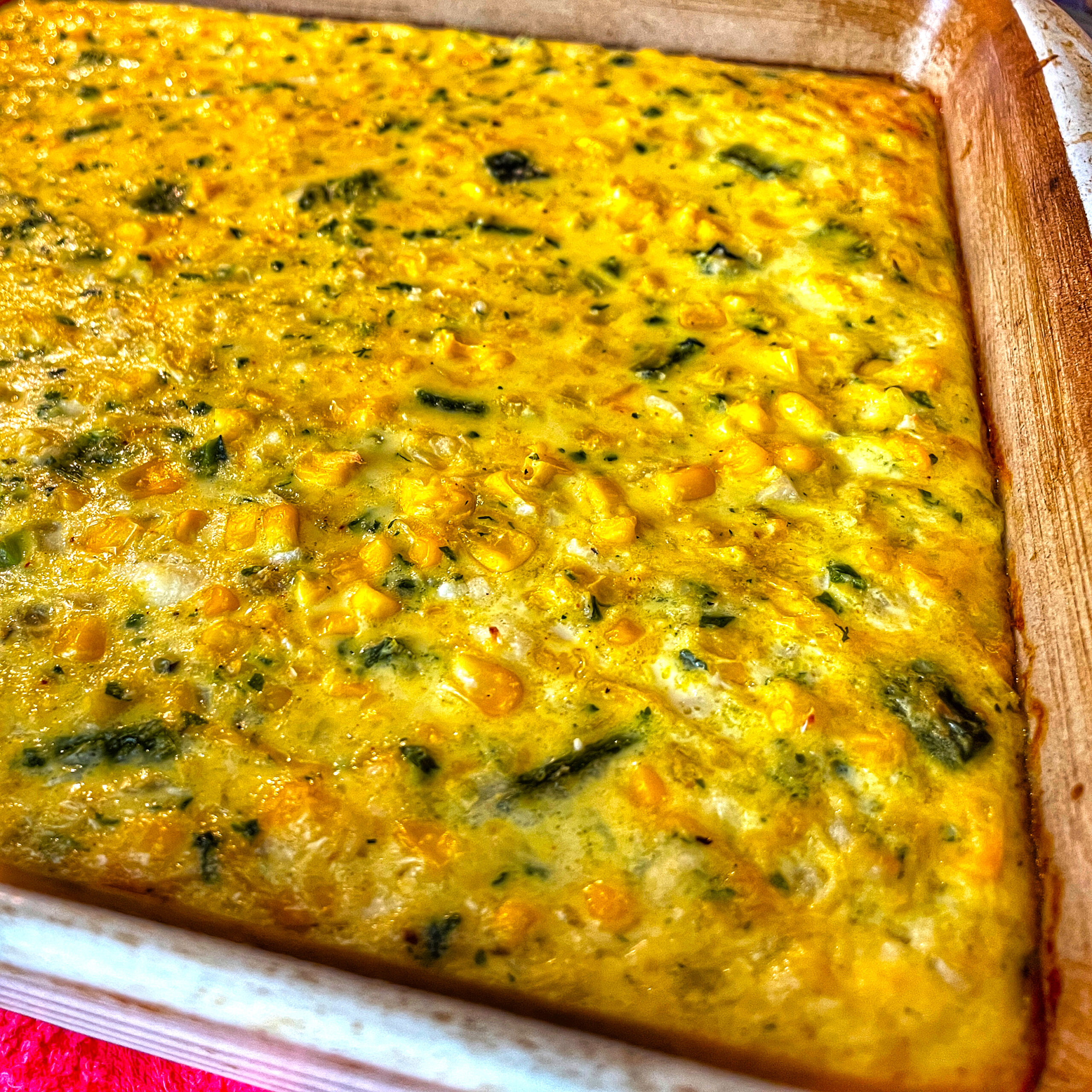
Pour corn mixture into prepared dish. Bake until golden and toothpick inserted into center comes out clean, about 40 minutes. Garnish with thyme sprigs (if using).
Serving size: about 2/3 cup
Corn-and-poblano pudding is a celebration of Mexican culinary traditions and a testament to the diverse and vibrant flavors that define this cuisine. By preparing and enjoying this dish, you’re not only indulging in a delicious treat but also honoring the cultural heritage of Mexico. Share this recipe with your loved ones and let
Corn and poblano pudding close up
Comments Off on A Taste of Tradition: Corn-and-Poblano PuddingTags:Mexican · Weight Watchers
June 27th, 2023 · Comments Off on A Fusion Feast: Mexican-Italian Mashup with Queso Fresco Caprese Salad
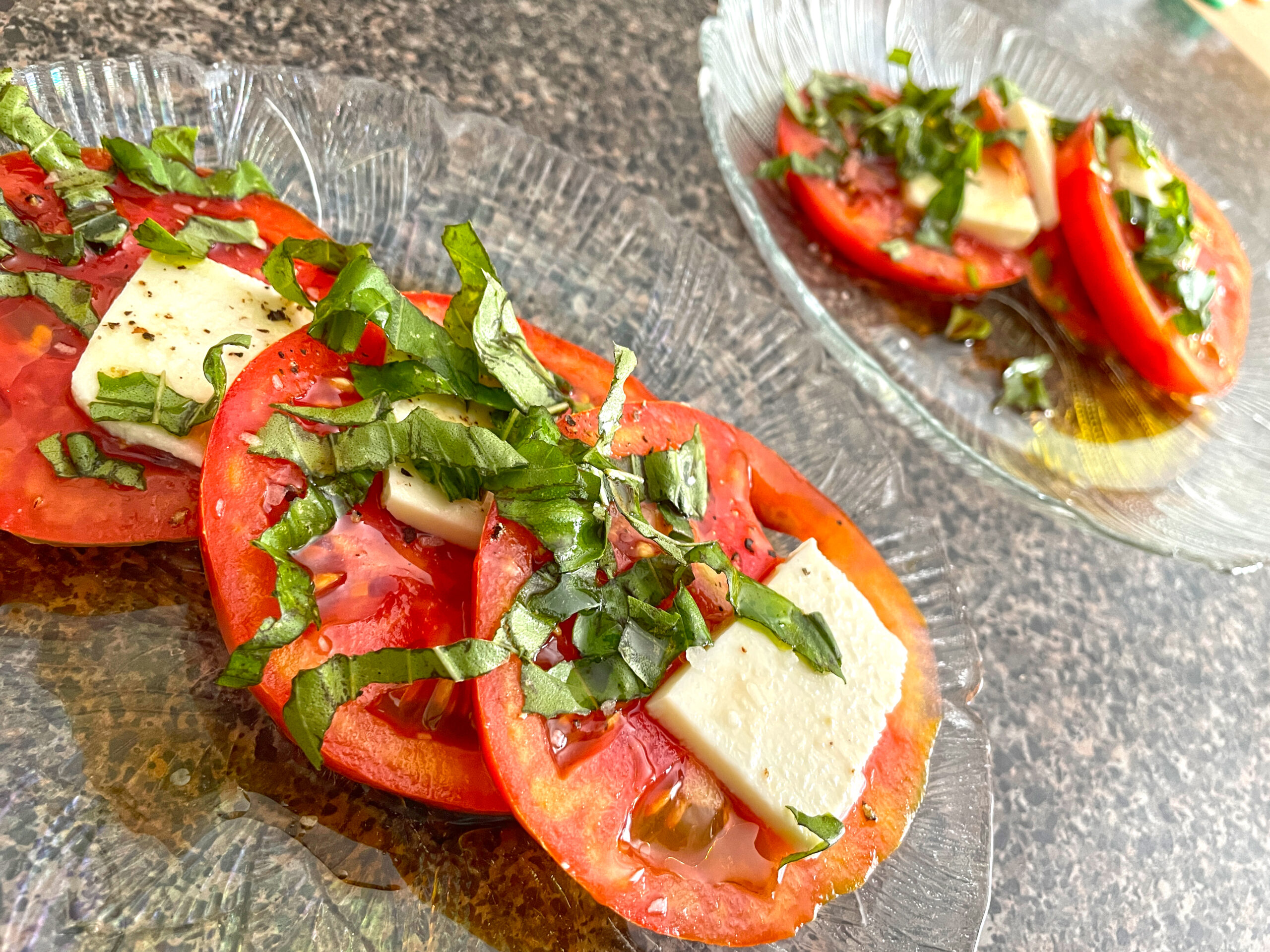
We did not have any fresh mozzarella on hand, but we did have some queso fresco cheese left from another recipe, and with our ripe from the vine Creole tomatoes and fresh basil from the garden, I created this wonderful salad. While queso fresco is not mozzarella, the cheese provided a great substitute for a wonderful salad, and a perfect marriage of Mexican and Italian cuisine.
Queso fresco caprese salad
Mexican and Italian cuisines are beloved for their bold flavors and vibrant ingredients. Combining the two culinary traditions results in a tantalizing fusion that will delight your taste buds. In this blog post, we present a recipe that brings together the best of both worlds—a mouthwatering mashup of Mexican and Italian flavors. Get ready to savor the harmony of spices, herbs, and fresh ingredients with a twist on the classic Caprese Salad, featuring the creamy goodness of Queso Fresco. Let’s dive into this delectable fusion feast!
The Recipe: Queso fresco caprese salad
Serves: 2
Ingredients
1 ripe tomato
1 ounce Queso Fresco cheese, sliced into 6 thin pieces
Handful of fresh basil leaves, cut into a chiffonade
1 tablespoon extra virgin olive oil
1 tablespoons balsamic vinegar
Kosher salt and fresh cracked black pepper to taste
Procedure Steps
Cut the tomato into 6 even slices and plate three slices evenly between two plates. Add the sliced cheese between the tomato slices. Sprinkle the basil chiffonade evenly over the tomatoes and cheese between the two plates.
Drizzle 1/2 tablespoon olive oil and 1/2 tablespoon balsamic vinegar evenly over each plate of tomatoes and cheese.
Season to taste with the salt and pepper.
Queso Fresco background and history
Queso Fresco, which translates to “fresh cheese” in Spanish, has a rich history and is a popular cheese in many Latin American countries, particularly Mexico. The origins of Queso Fresco can be traced back to the indigenous civilizations of Mesoamerica, including the Aztecs and Mayans, who were known for their advanced agricultural practices and culinary traditions.
The process of making Queso Fresco involves coagulating milk with rennet or an acid, such as lemon juice or vinegar, and then allowing it to drain, resulting in a fresh, crumbly, and slightly tangy cheese. Queso Fresco is commonly made from cow’s milk but can also be made from goat’s or sheep’s milk, depending on regional preferences.
Queso Fresco is a versatile cheese that is widely used in Mexican cuisine. It adds a creamy texture and a subtle, milky flavor to dishes. It is often crumbled over tacos, enchiladas, and salads, and is also used as a filling for empanadas and other savory pastries. Its mild flavor pairs well with the bold spices and ingredients commonly found in Mexican cooking.
Caprese Salad background and history
Caprese Salad is a classic Italian dish that originated in the region of Campania, specifically on the island of Capri. It is a simple yet elegant salad that celebrates the flavors of fresh, ripe tomatoes, mozzarella cheese, and basil leaves. The salad is typically drizzled with extra virgin olive oil and seasoned with salt and pepper.
The origins of Caprese Salad can be traced back to the 1950s when it was popularized as a staple dish in Italian cuisine. Its creation is often attributed to the chef and restaurateur, Filippo Tommaso Marinetti, who sought to showcase the flavors of the Mediterranean region through his culinary creations.
Caprese Salad embodies the essence of Italian cuisine, emphasizing the use of high-quality, seasonal ingredients. The combination of tomatoes, mozzarella, and basil represents the colors of the Italian flag, further adding to its cultural significance.
Cultural Influences: The cultural influences of Queso Fresco and Caprese Salad extend beyond their countries of origin. Both have gained popularity worldwide and have been incorporated into various cuisines, reflecting the global appreciation for their distinct flavors and versatility.
In the case of Queso Fresco, its influence can be seen in the cuisines of other Latin American countries, such as Colombia, Venezuela, and Nicaragua, where similar fresh cheeses are widely used. Queso Fresco has also made its way into Tex-Mex and Mexican-inspired dishes in the United States.
Caprese Salad, on the other hand, has become a beloved dish in many parts of the world, particularly in Mediterranean and European cuisines. Its simplicity and use of fresh ingredients have made it a staple in Italian restaurants and households globally. Additionally, variations of Caprese Salad have emerged, incorporating additional ingredients like balsamic glaze, avocado, or prosciutto, further expanding its culinary influence.
The cultural influences of Queso Fresco and Caprese Salad highlight the power of food to transcend borders and bring people together through shared flavors and appreciation for culinary traditions.
Queso fresco caprese salads
Comments Off on A Fusion Feast: Mexican-Italian Mashup with Queso Fresco Caprese SaladTags:Culture · Italian · Mexican · Salads
June 26th, 2023 · Comments Off on Unveiling Rich Flavors: The Background and History of Moroccan-Roasted Eggplant Dip and Recipe
Moroccan cuisine is renowned for its vibrant flavors and diverse culinary traditions. Among its many delicious offerings, Moroccan-Roasted Eggplant Dip, and it’s tomato infused counterpart is also known as “Zaalouk,” which stands out as a beloved and iconic dish. This delectable dip has a fascinating background and history, rooted in the culinary heritage of Morocco. In this blog post, we delve into the origins, ingredients, and preparation techniques that make Moroccan-Roasted Eggplant Dip a true delight. Though the recipe we are sharing today does not include tomatoes, they can be included with the eggplant preparation with great results.
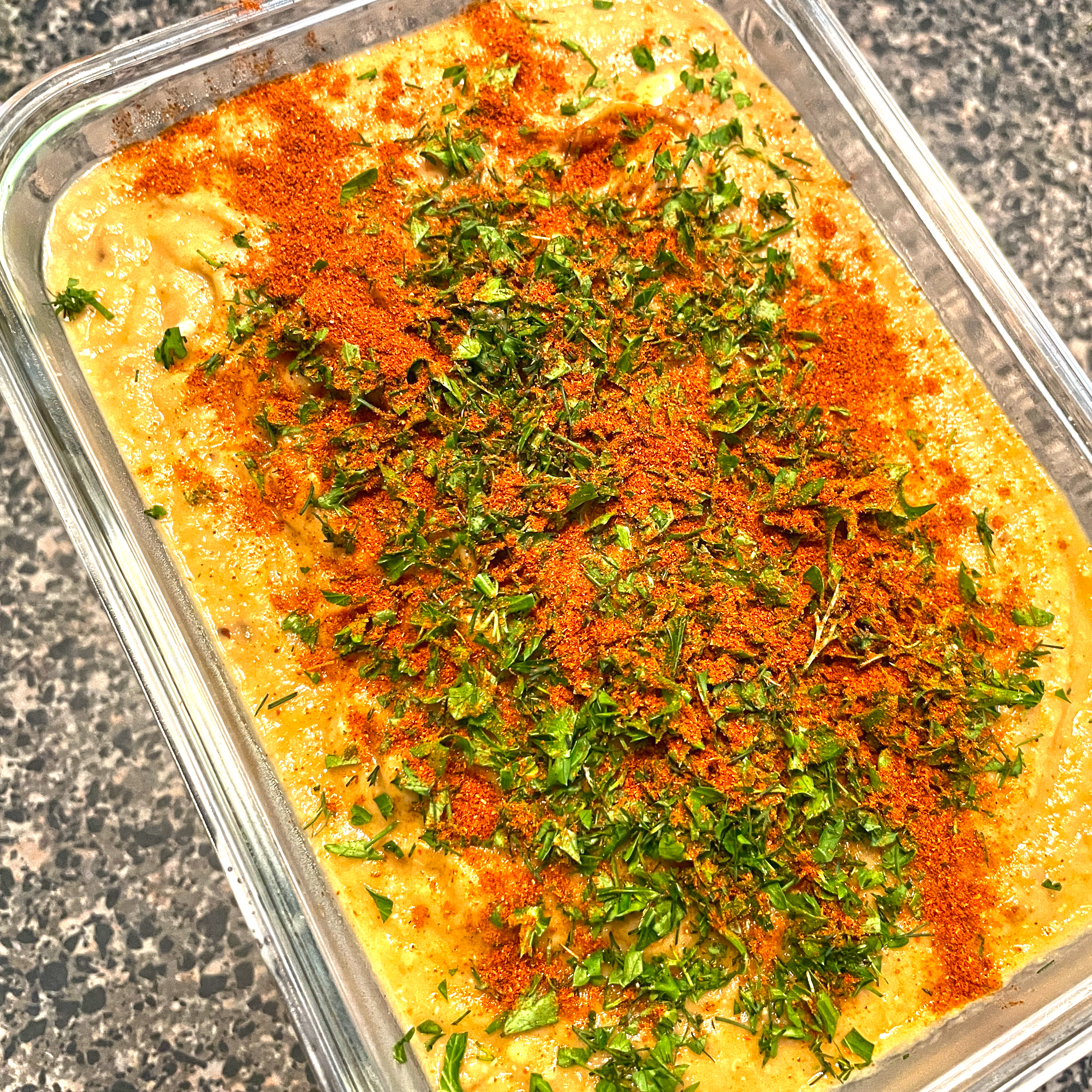
Moroccan-Roasted Eggplant Dip
Moroccan cuisine reflects a blend of influences from Arab, Berber, and Mediterranean cultures, resulting in a unique and distinct culinary identity. Moroccan-Roasted Eggplant Dip has its roots in the rich tapestry of flavors and ingredients found in traditional Moroccan dishes. This dip is commonly enjoyed as part of Mezze, a selection of small appetizers in Middle Eastern and North African cuisines.
At the heart of Moroccan-Roasted Eggplant Dip is the eggplant, a versatile vegetable that takes center stage in this recipe. The eggplant is typically charred over an open flame, allowing its flesh to become tender and smoky. This technique imparts a distinct flavor that defines the dip. Other essential ingredients include tomatoes, garlic, olive oil, fresh herbs like cilantro or parsley, and a blend of Moroccan spices such as cumin, paprika, and ground coriander. The combination of these elements creates a harmonious balance of smoky, tangy, and earthy flavors.
To prepare Moroccan-Roasted Eggplant Dip, the eggplants are roasted until the skin turns black and the flesh becomes soft. This step not only imparts a smoky flavor but also makes it easier to remove the skin. Once the eggplants have cooled, the flesh is extracted and mashed into a smooth consistency. Meanwhile, tomatoes are blanched, peeled, and finely chopped. Garlic is crushed and mixed with the eggplant, tomatoes, olive oil, and a medley of spices. This recipe excludes the olive oil found in the traditional recipe. The mixture is then cooked over low heat to allow the flavors to meld together. Fresh herbs are added at the end to enhance the dip’s freshness and aroma. This is an option, but you don’t have to cook the mixture, though it is great served as a hot or cold dip.
Moroccan-Roasted Eggplant Dip is deeply ingrained in Moroccan culture and is enjoyed as a popular appetizer or accompaniment to main dishes. It is often served with crusty bread or alongside other Moroccan dishes such as tagines and couscous. The dip’s versatility allows it to be adapted to various occasions, from casual gatherings to festive celebrations. Its rich flavors and satisfying texture make it a favorite among locals and a beloved ambassador of Moroccan cuisine around the world.
Moroccan-Roasted Eggplant Dip, or Zaalouk, represents the rich culinary heritage of Morocco and encapsulates the country’s diverse flavors and cooking techniques. With its smoky eggplant, tangy tomatoes, fragrant spices, and vibrant herbs, this dip is a celebration of Moroccan cuisine. Whether you’re exploring Moroccan cuisine for the first time or already a fan, this flavorful dip is a must-try. So gather your ingredients, embrace the spirit of Moroccan cooking, and savor the incredible taste of Moroccan-Roasted Eggplant Dip.
This recipe for Moroccan-Roasted Eggplant Dip is inspired by this WW recipe found on their website.
0 Points – Total Time: 45 min – Prep Time: 15 min – Cook Time: 30 min – Serves: 8
Ingredients
Cooking spray
2½ pounds, Italian variety uncooked eggplant
⅓ cup plain fat free Greek yogurt
1 tsp minced garlic
1½ tsp fresh lemon juice
1¼ tsp, paprika, sweet smoked variety (plus extra for garnish)
¾ tsp ground cumin
½ tsp Kosher salt
3 Tbsp, chopped Fresh parsley, (plus extra for garnish)
Preparation Steps
Preheat oven to 400°F.
Cut eggplants in half lengthwise. Coat a baking pan with cooking spray and then place eggplants cut side down on the rimmed baking sheet. Roast until eggplants are well-browned and collapse, about 30-35 minutes; remove from oven and let cool.
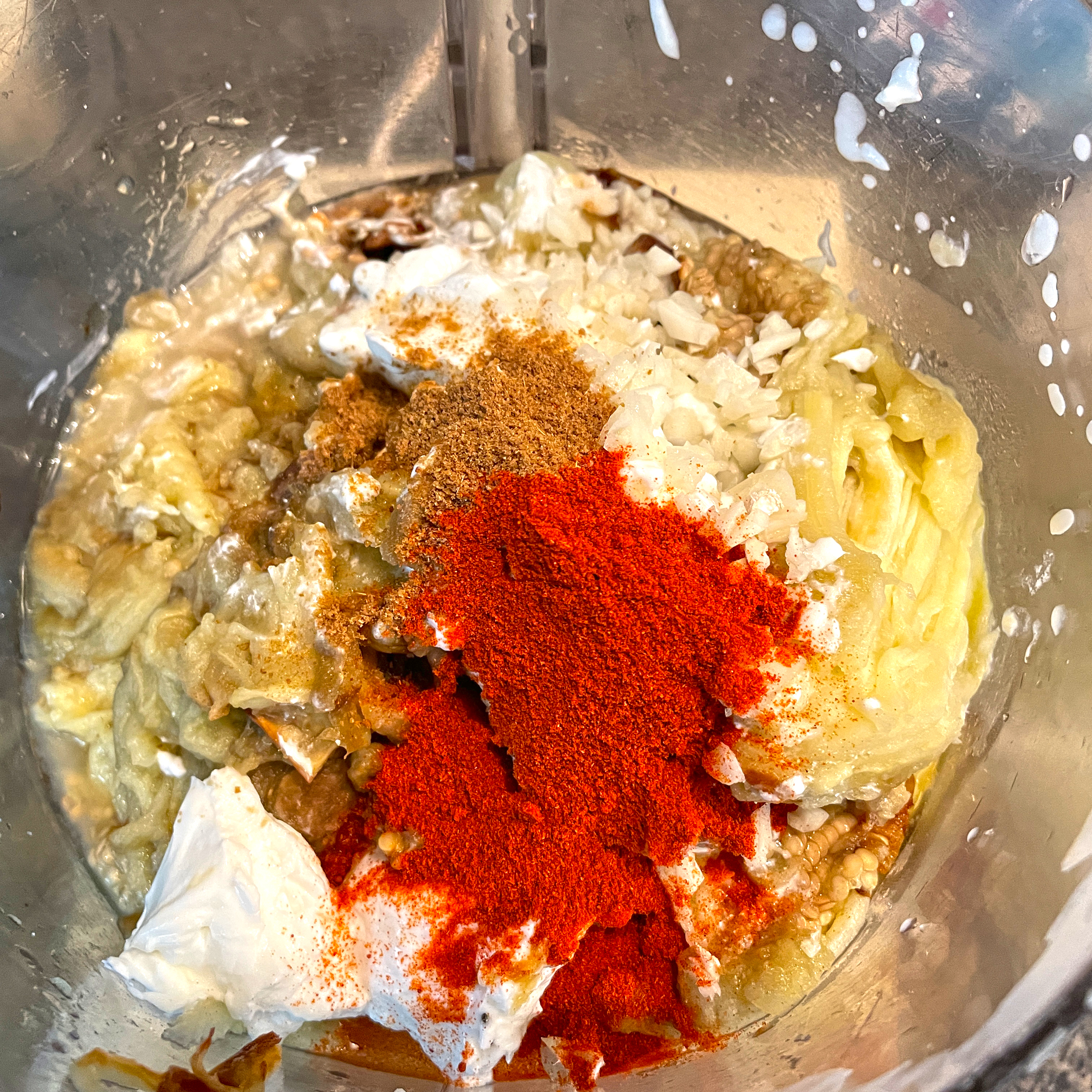
Scoop out eggplant flesh with a spoon. Puree flesh in a blender or food processor with yogurt, garlic, lemon juice, paprika, cumin, and salt; stir in parsley. Serve garnished with additional parsley and smoked paprika.
Serving size: 1/4 cup dip.
Roasted eggplant halves cooling
All ingredients in bowl of food processor before blending
Comments Off on Unveiling Rich Flavors: The Background and History of Moroccan-Roasted Eggplant Dip and RecipeTags:Vegetarian · Weight Watchers